
Crochet Falling Leaves Stitch Tutorial
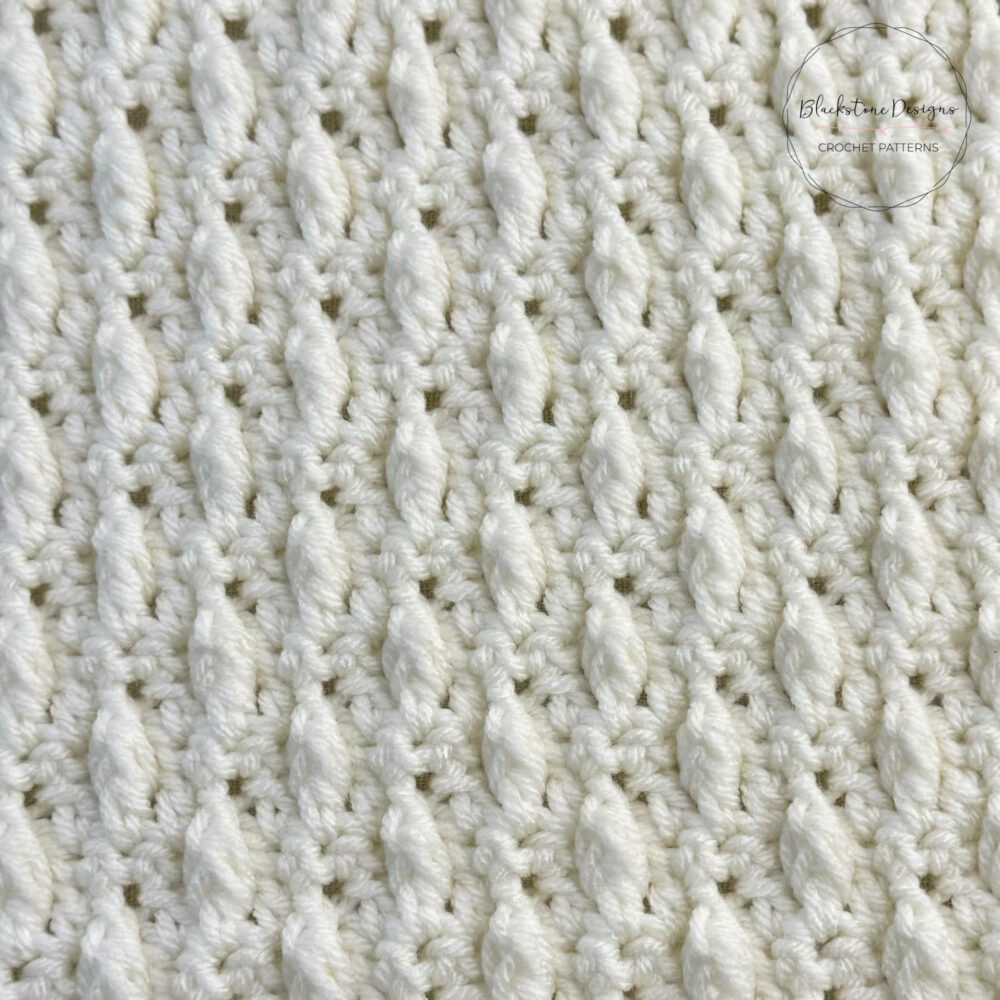
The crochet falling leaves stitch is worked by alternating single crochet rows and double crochet rows with some front post stitchwork to create a pattern that resembles leaves falling through the sky.
This post contains affiliate links. At no extra cost to you, I may receive a small commission from purchases made through affiliate links, which helps me to keep bringing awesome free content!
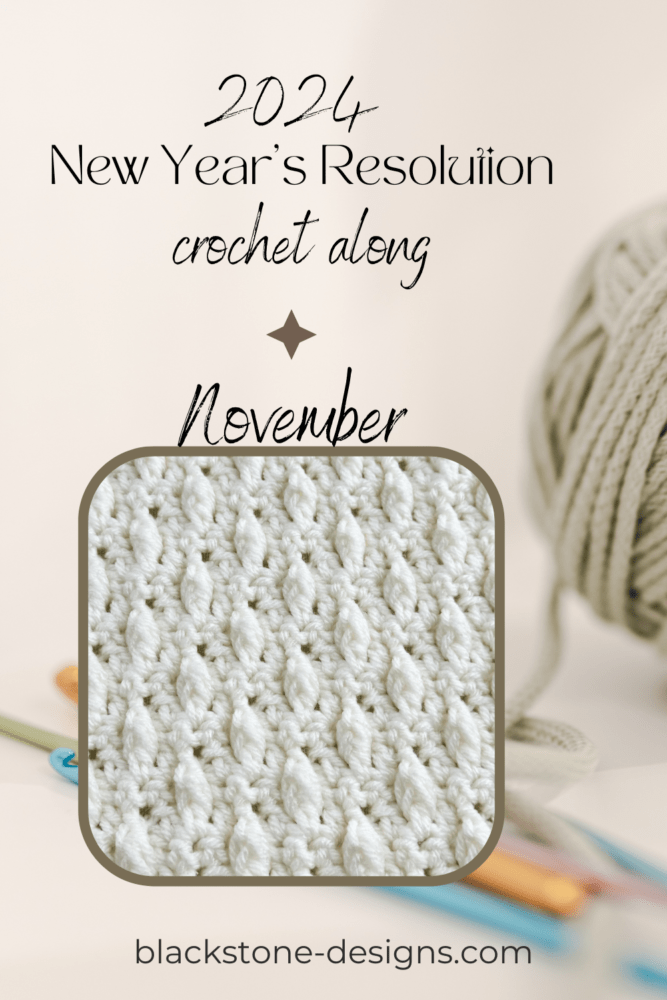
This stitch is the November 2024 New Year’s Resolution CAL stitch!
This crochet stitch pattern is a four row repeat, so it keeps you interested, and since this square is worked with some rows of double crochets, it doesn’t take long to get to the end.
For the Falling Leaves crochet stitch you can easily adjust hook sizes and yarn weights and try for different finished looks, from sport weight cotton yarn to super bulky chenille yarn!
While I personally love the look of this stitch in one solid color, you could do stripes by changing colors every other row, use a self striping yarn, or even work the whole square in one color and only change colors for the relief stitches!
The Crochet Falling Leaves Stitch is considered an intermediate skill level, as it requires some experience with stitches beyond the basics, but after a couple of rows I think it will be like second nature.
What is the Crochet Falling Leaves Stitch?
The crochet Falling Leaves Stitch is a textured stitch pattern that resembles a cascade of leaves. It’s commonly used in projects like scarves, blankets, or even decorative items like table runners for an autumnal feel. The stitch combines post stitches, double crochet stitches, and single crochet stitches to create a leaf-like print that repeats throughout the fabric, creating a visually rich and slightly textured design.
How to get the Falling Leaves Stitch Crochet Pattern:
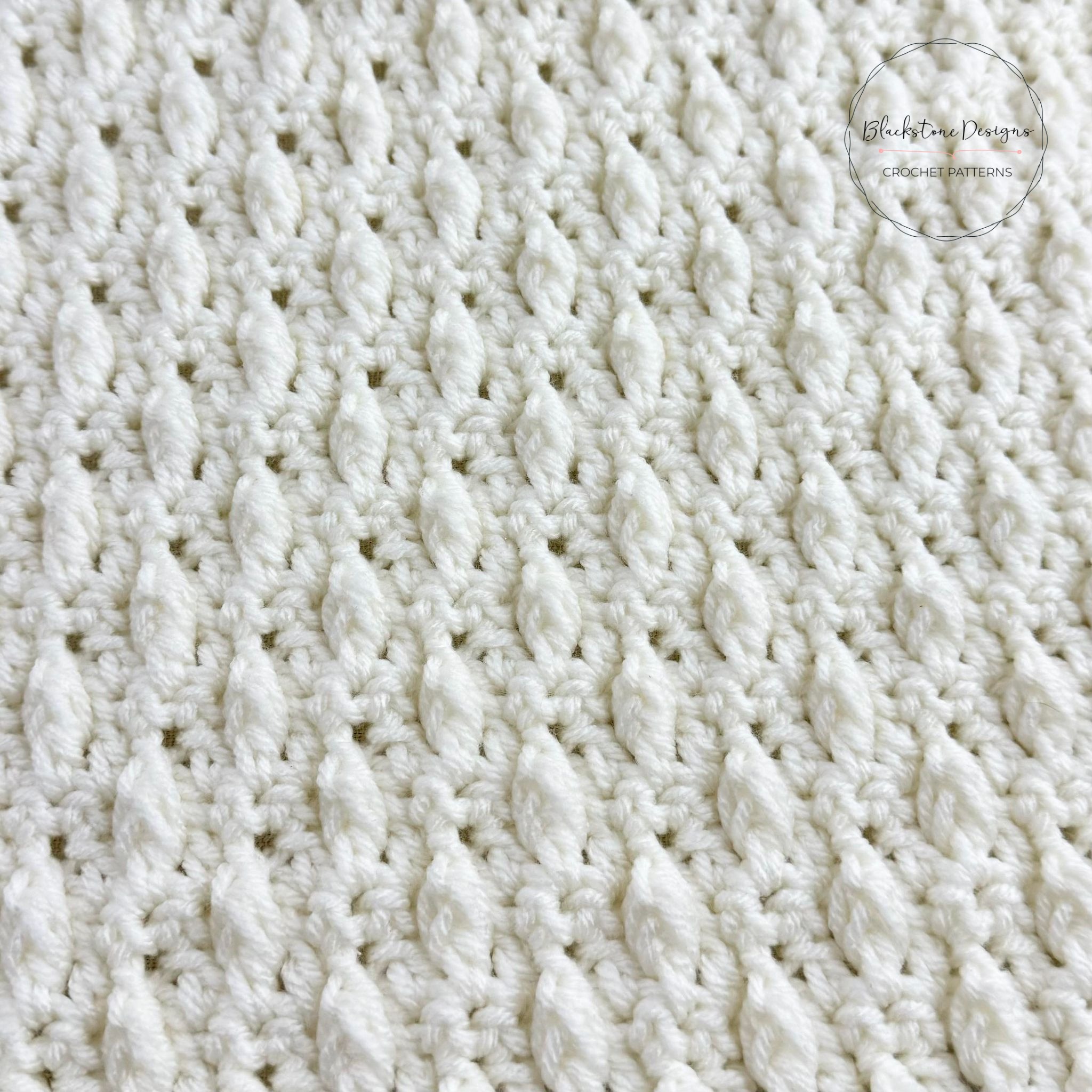
Falling Leaves Stitch Crochet Pattern
Option 1: Continue scrolling for free pattern instructions on this site
Option 2: Purchase the ad-free PDF that includes tutorial photos from one of my shops
Option 3: Purchase the “12 Crochet Stitch Afghan Squares” ebook.
What supplies do I need?
To make the crochet falling leaves stitch you will need yarn and a crochet hook. To determine the pairing of these two supplies, you can either use the hook listed on the yarn label, or play around with different hook and yarn combinations as mentioned above! For this specific tutorial you will need worsted weight yarn and a H/8/5.00mm crochet hook.
What are the stitch multiples?
The falling leaves crochet stitch is worked in multiples of 4, plus you need an additional 2 chains at the start.
This stitch is worked over a four row repeat.
To work a gauge swatch, chain 26 then work the pattern below for 8 total rows.
What else do I need to know about the Falling Leaves Crochet Stitch?
This stitch is not reversible, so one side has the stitch pattern and the backside is flat and plain.
The Crochet Pattern
Keep reading for a list of what you need to make this stitch, including the stitch pattern instructions!

Gauge
16 sts x 15 rows = 5”
Finished Measurements
14.5” x 14.5” without border
Block to 15” after border
Stitch Guide
ch = chain
dc = double crochet
FP = front post
sc = single crochet
sl st(s) = slip stitch(es)
Skill Level
Intermediate
Written in U.S. Terms

Pattern Notes
- Beginning chains on single rows do not count as stitches.
- Beginning chains on double crochet rows do count as stitches.
- Where asterisks appear, repeat the instructions between them.
- This pattern is worked in a multiple stitch count of 4 + 2; the instructions are written for a beginning ch-50, but you can add or remove chains in multiples of 4.
- To work a gauge swatch, chain 18 then work the pattern below for 15 total rows.
- Stitch chart is on the last page.
- There is a companion video on YouTube.
Special Stitches
Front Post Stitch (FPst) = YO, insert hook from front to back around the post of the indicated stitch, YO, draw up a loop, YO, insert hook from front to back around the same post, YO draw up a loop, YO, draw through 4 loops on the hook, YO, draw through last two loops.
Instructions
R1. Working in the back bump of the chain across:
Ch 50, dc in 3rd ch from hook [skipped che count as first stitch] & in each ch across, turn (49 dc)
R2. Ch 1, sc across, turn
R3. Ch 2 (counts as a stitch), dc in next sc and in next 3 sc, FPst in next st 2 rows below, *dc x 3, FPst in next st 2 rows below* across, dc in remaining 4 sts, turn
R4. Ch 1, sc across, turn
R5. Ch 2 (counts as a stitch), dc in next sc, FPst in next st 2 rows below, *dc x 3, FPst in next st 2 rows below* across, dc in remaining 2 sts, turn
Repeat R2-5 until the fabric measures 14 ½” high.
R6. Ch 1, sc evenly down the side, in every stitch across the bottom, evenly up the other side, and every stitch across the top, keeping a loose tension; Fasten.
Finishing
- Block square to 15″ x 15″
- Hide all strings.
And that’s how you work the crochet Falling Leaves Stitch!
Join our crochet community group!
Come on over and join the Blackstone Designs Crochet Community on Facebook for fun CALs and giveaways, plus exclusive sales, pattern support, and so much more!
Don’t forget to share!
Tag me on Instagram at @blackstone_designs or use the hashtag #BlackstoneDesignsCrochet so I can share your makes with the community!
Happy Crocheting!
Written pattern and photographs © 2024 Sonya Blackstone of Blackstone Designs. Do not sell, share, or modify this pattern, but instead share the link to where the pattern can be found. You may sell items you make with this pattern. This pattern, as with all Blackstone Designs/Sonya Blackstone patterns, are not for educational use without written permission from the designer. All rights reserved.
Sonya Blackstone is a participant in the Amazon Services LLC Associates Program, an affiliate advertising program designed to provide a means for us to earn fees by linking to Amazon.com and affiliated sites.


Thank you for these CALs. I have especially loved the one for the afghan squares. That being said, I have tried and tried but cannot find the free PDF for November. Am I missing something? Thanks.